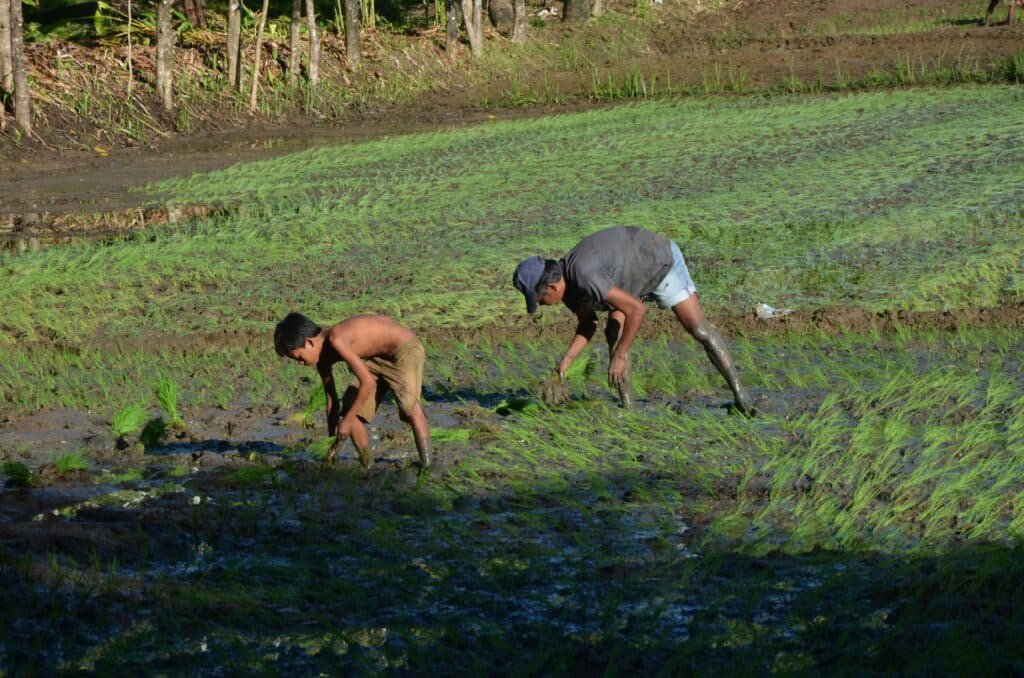
Farming in the Philippines comes with a lot of challenges. The weather’s unpredictable, water costs are high, and many farmers don’t even have reliable access to water.
But there’s good news; solar-powered irrigation is changing the game for Filipino farmers. This simple yet powerful technology is giving farmers control over their water supply, saving them money, and helping them grow more crops.
So, what’s all the fuss about solar-powered irrigation, and how’s it actually helping farmers in the Philippines? Let’s break it down.
What is Solar-Powered irrigation?
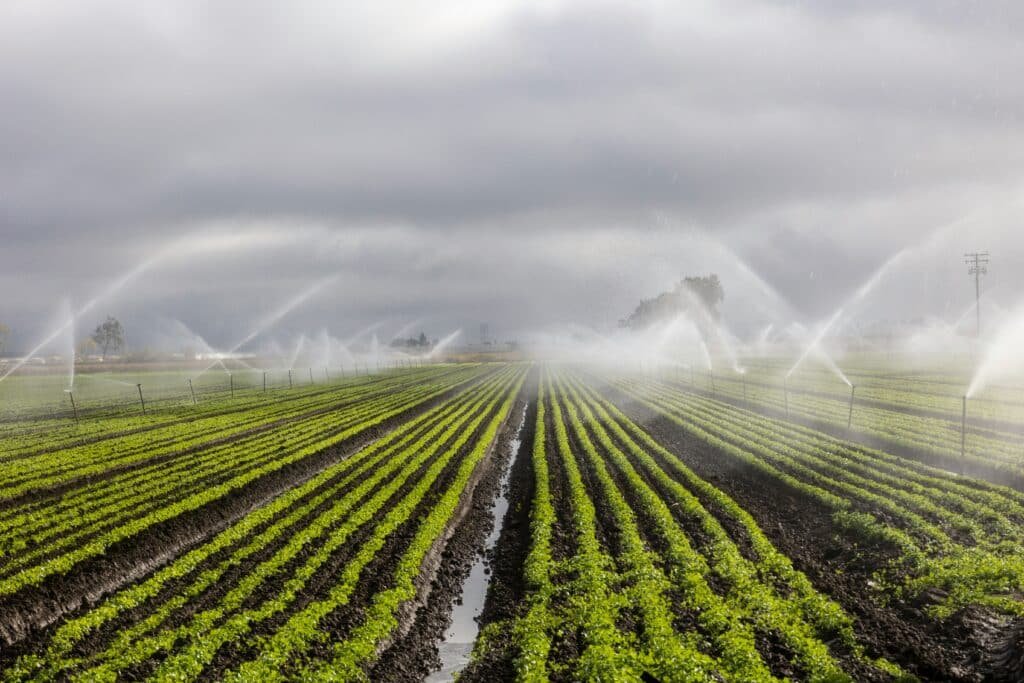
Solar-powered irrigation is a system that uses solar energy to pump water for farming. Instead of relying on expensive fuel or unreliable electricity, solar-powered systems use sunlight to power water pumps, making it possible to water crops without breaking the bank.
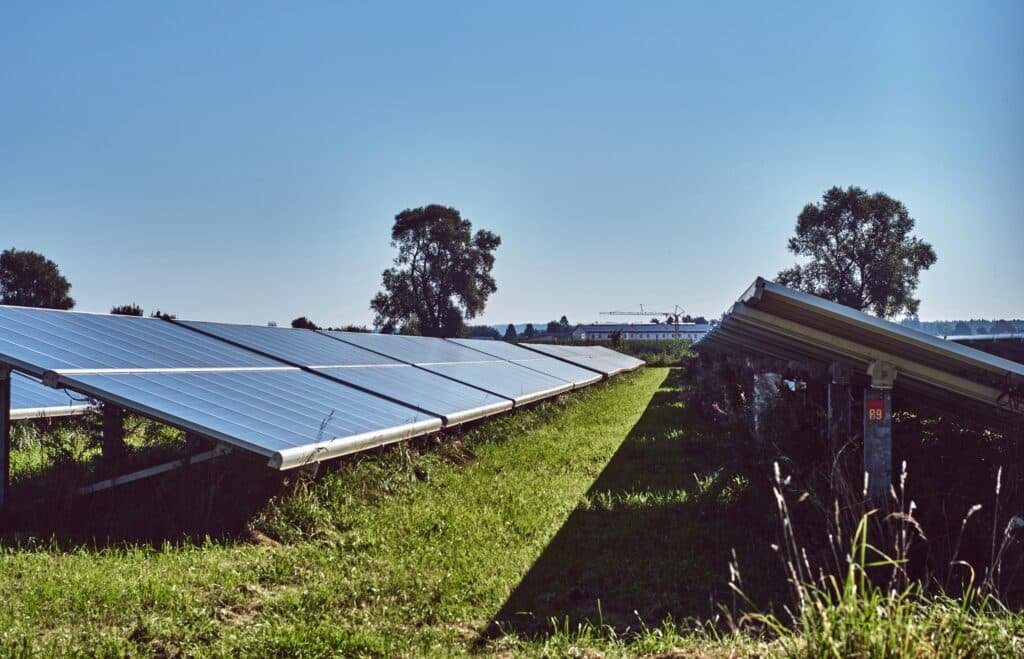
These systems are made up of solar panels, a water pump, and sometimes storage tanks. Solar panels collect energy from the sun, which powers the pump, sending water to the crops. It’s a great way for farmers to use clean energy, especially in areas where electricity is expensive or hard to get.
Why Solar-Powered irrigation helps Filipino farmers?
1. Lower Costs
One of the biggest expenses for farmers is water; specifically, the cost of pumping water for irrigation. Many farmers use diesel-powered pumps, which are expensive to run. With solar-powered irrigation, farmers can save a lot of money. Once the system is set up, the energy from the sun is free. No need to pay for fuel or electricity each month.
In fact, solar-powered irrigation is helping farmers save on energy costs, and the money they save can be used for better seeds, tools, or even more land.
2. Better yields (and more income)
Farmers depend on a steady supply of water to grow their crops. Without enough water, crops can fail, and the farmers lose out. With solar-powered irrigation, farmers get a reliable and constant water supply to their crops. This means healthier crops and, in turn, higher yields.
More crops mean more income for farmers. Solar-powered irrigation helps farmers grow crops consistently, increasing their harvests and their ability to sell produce in the market.
3. Helping the Environment
The Philippines is facing the effects of climate change. From typhoons to droughts, farmers are dealing with extreme weather patterns that make it harder to grow crops. But using solar energy to power irrigation systems is a way to reduce carbon emissions and protect the environment.
Solar-powered irrigation is a clean energy solution, which helps reduce the need for fossil fuels. This means less pollution and a healthier planet for future generations.
4. Energy equity for all
Many rural communities in the Philippines don’t have reliable access to electricity. This means farmers in remote areas often can’t use electric-powered pumps or rely on expensive fuel. Solar-powered irrigation solves this problem. It’s decentralized, meaning it doesn’t rely on the grid.
As long as there’s sunlight, farmers can use it to power their pumps. This gives everyone, no matter where they live, access to affordable irrigation.
How Solar-Powered Irrigation is helping Filipino Farmers today?
There are already real-life examples of solar-powered irrigation systems working in the Philippines.
In Nueva Ecija, a province that’s one of the country’s top rice producers, solar-powered irrigation systems are helping farmers water their rice fields.
These systems are powering submersible pumps, which pump water to 350 hectares of farmland. With solar power, farmers can now water their crops year-round, resulting in more harvests and better income.
In Siargao, which is known for its coconut farming, the National Irrigation Administration (NIA) installed solar-powered pumps in several areas. These pumps provide water for more than 15 hectares of farmland, and they’re helping farmers increase their productivity.
Even in Davao, solar-powered irrigation systems are popping up. These systems are helping farmers in Paquibato and Malabog districts water their crops and improve crop quality. The goal is to install these systems in more areas so farmers can enjoy steady, reliable water for their fields.
The Future of Solar-Powered Irrigation in the Philippines
The future of solar-powered irrigation in the Philippines is looking bright. With more government support and cheaper solar technology, more farmers will have access to solar-powered systems. This will not only increase food production but also lower farming costs, which benefits everyonel; from the farmer to the consumer.
The Philippines is also taking steps to promote sustainable agriculture. By using solar energy, farmers can be part of a greener, more sustainable farming future, where they use the sun’s energy to grow more crops and protect the environment at the same time.
Conclusion
Solar-powered irrigation is a game-changer for Filipino farmers. It’s making water more affordable, increasing crop yields, and boosting farmers’ incomes. Plus, it’s good for the environment, helping the country reduce its reliance on fossil fuels.
As more solar-powered irrigation systems are introduced across the Philippines, rural communities will become more sustainable and self-reliant.
This is the future of farming in the Philippines, and it’s happening now.
References:
- https://www.pna.gov.ph/articles/1243084
- https://www.reccessary.com/en/news/ph-market/philippines-inaugurates-largest-solar-irrigation-system-boosting-agriculture-renewable-Energy
- https://www.sunstar.com.ph/article/2210809
- https://www.pna.gov.ph/articles/1254601
- https://www.gmanetwork.com/news/topstories/nation/927755/terra-solar-project-to-boost-power-supply-in-luzon-grid-marcos-says/story/?utm_source=chatgpt.com