In recent months, many households across the Philippines have felt the pressure of rising gasoline prices. Each refill at the station costs noticeably more, and transportation expenses have started to disrupt monthly budgets.
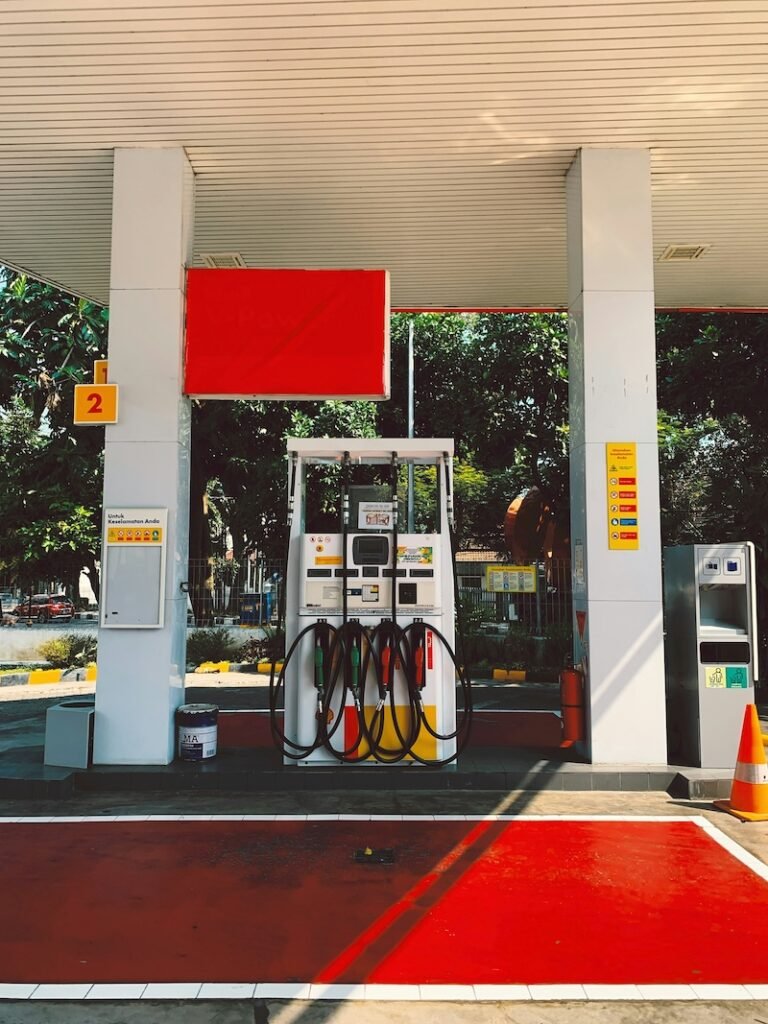
With global oil markets facing instability, these price hikes are becoming more frequent and unpredictable.
The effects go beyond transportation. Increasing fuel prices influence the cost of goods, delivery services, and even energy production. Electricity generated from fossil fuels becomes more expensive, and households have less control over their monthly spending.
As families try to adapt, one key question emerges: how can we protect ourselves from future increases?
The answer is to shift from dependency to energy independence.
Switching to solar energy and adopting an electric-ready home is now one of the most practical long-term decisions. It helps families save, stay resilient during economic and environmental challenges, and build a safer future.
Why gasoline prices keep increasing
The Philippines relies heavily on imported oil, so local fuel prices are influenced by international factors. These include supply disruptions, global conflicts, currency shifts, and production limitations.
According to recent updates from the Department of Energy (DOE), multiple consecutive increases have been recorded with no clear sign of long-term stability.
Even if temporary price rollbacks occur, they are usually outweighed by future hikes. For many families, this means compromising on savings or re-prioritizing essential costs.
The shift toward electric and solar-powered homes
Solar energy uses a natural and abundant resource. The Philippines receives one of the highest levels of sunlight in Southeast Asia, averaging about 2,000 hours of sunshine per year. Solar systems are especially effective in tropical climates where sunlight is consistent and strong.
Unlike gasoline, solar energy does not depend on global supply and does not fluctuate in price. Switching to solar is not just about saving money. It is about taking energy ownership.
The financial advantage of solar systems
At first glance, installing solar panels might look like a major investment. In the Philippines, a full-home solar installation can cost between ₱150,000 and ₱500,000, depending on system size and components.
However the long-term savings can be substantial. For example:
- Some households reduce their monthly electricity bills from ₱8,000 to around ₱2,500 after installing solar, that’s a monthly saving of ₱5,500. At that rate, a solar system costing ₱200,000 would pay for itself in just about 3 years.
- For other homes, savings of ₱1,500 to ₱10,000 per month are common depending on energy use and system capacity.
- Over a 25-year period the total savings could reach well over ₱1.6 million (or more, depending on usage), far outweighing the initial cost.
In the long term solar is often more affordable and predictable than relying on fluctuating fuel and electricity prices.
Key benefits of electric and solar-powered homes
- Significant energy savings over time
- Protection from price fluctuations on fuel and electricity
- Increased property value due to lower operating costs
- Battery-backed solar systems provide backup power during outages
- Cleaner, more sustainable energy use
With the right configuration, solar-powered homes can deliver stable energy even when grid power is disrupted.
Building resilience
Solar-ready homes with energy-efficient systems provide greater security during disasters. In regions frequently affected by typhoons and strong weather, power outages can last for days. Solar systems with battery backup can ensure that households still have lighting, refrigeration, and basic electricity; reducing the impact of natural disasters.
This makes solar not only a financial decision but also a resilience strategy.
Cleaner living, better future
A large portion of electricity in the Philippines still comes from fossil fuels, coal and oil contribute nearly 60 to 77 percent of the national energy mix. Choosing renewable energy is not just a small personal step. It supports broader efforts to reduce greenhouse gas emissions, slow climate change, and protect public health; while still keeping modern comforts.
How to start the transition
- Review your current energy consumption and identify which appliances draw the most power
- Explore solar providers that conduct site evaluations for roof structure and sun exposure
- If you are building a new home, include solar-ready design early in planning
- For existing homes, consider replacing old appliances with more energy efficient alternatives
- Evaluate system size carefully: even modest installations can bring significant savings depending on usage
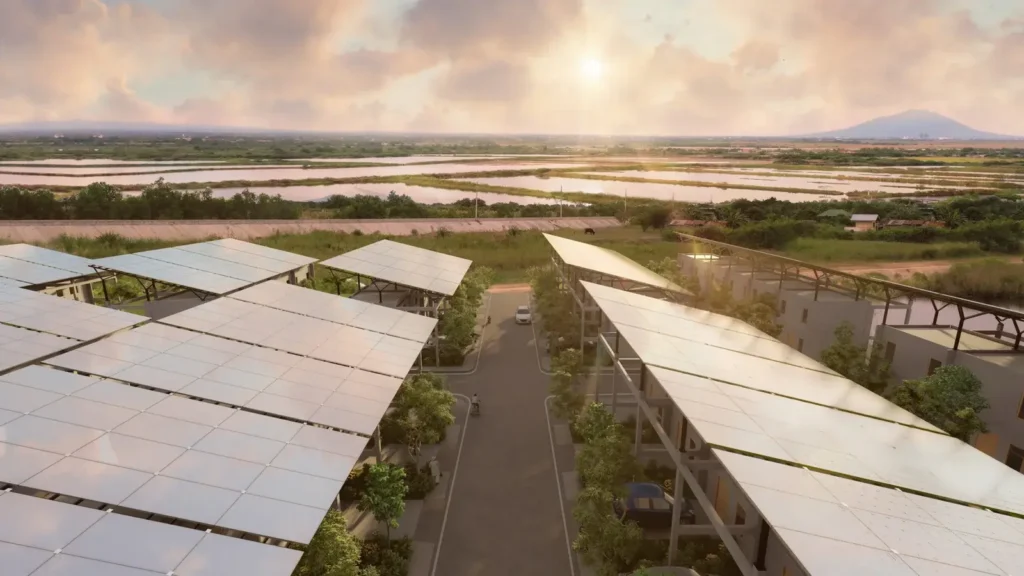
Many solar solutions now integrate panels directly into the roof structure for better efficiency and protection. That makes installation more durable and aesthetically pleasing.
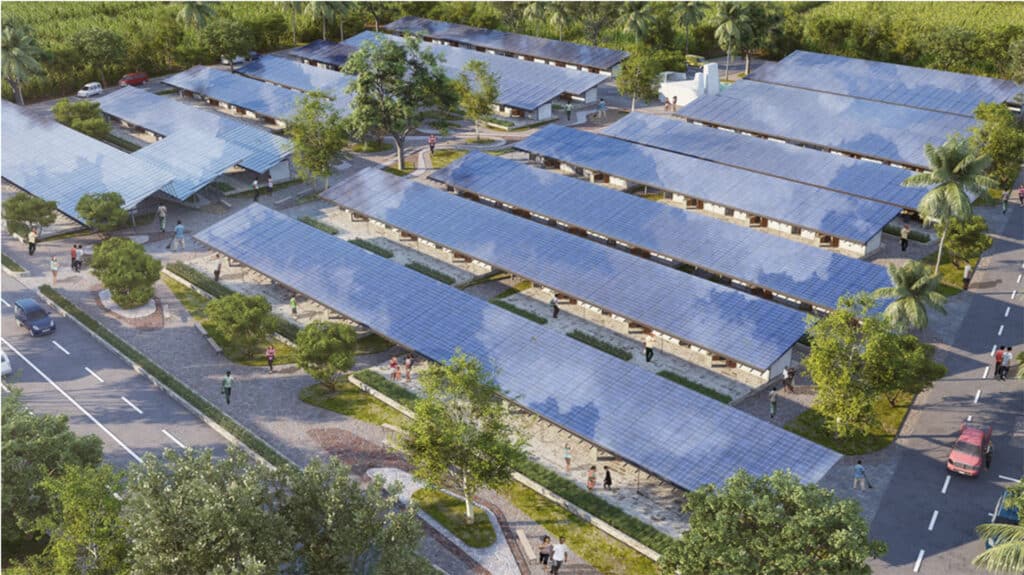
Waiting for gasoline prices to decrease is not a solution. The wiser choice is to remove your dependence on them.
Switching to solar and transitioning to an electric-ready home is a strategic move. It offers savings, independence, disaster resilience, and environmental benefits. As fuel prices continue to rise, homes that generate their own energy will provide families with greater peace of mind and financial control.
The best time to begin is today. Even if you start small; with a modest solar installation or more efficient appliances, you are already moving toward long-term savings, energy security, and a cleaner future.
References:
Bureau of Energy Use & Management, Department of Energy. (n.d.). Summary of petroleum products supply and demand in the Philippines. https://legacy.doe.gov.ph/sites/default/files/pdf/energy_statistics/02_Summary.pdf
EcoFlow Philippines. (n.d.). Solar panel price in the Philippines: What to expect. https://www.ecoflow.com/ph/blog/solar-panel-price-in-philippines
Energy Auditor Philippines. (n.d.). Long term savings: A wise investment for Filipino families. https://energyauditorph.com/long-term-savings-a-wise-investment-for-filipino-families/
Energy Tracker Asia. (n.d.). Solar energy in the Philippines. https://energytracker.asia/solar-energy-in-the-philippines/
Helios. (n.d.). Cost benefit analysis of solar power for homes in the Philippines. https://joinhelios.com/cost-benefit-analysis-of-solar-power-for-homes-in-the-philippines/MSpectrum. (n.d.). Solar industry analysis in the Philippines. https://www.mspectrum.com.ph/analysis_solar_industry_philippines