In the Philippines, storms are not rare events. They are part of life. Every year, around 18 to 20 tropical cyclones enter the Philippine Area of Responsibility, and about half make landfall. Each storm carries risks to homes, communities, and infrastructure. While people often focus on walls or foundations, experts agree that a home’s roof is usually the first line of defense against strong winds, heavy rainfall, and flying debris.
When typhoons strike, the roof receives the most intense pressure.
Wind uplift, heavy downpour, and rapid changes in air pressure can cause serious damage. Roof failures often lead to water leakage, interior flooding, structural weakening, and in extreme cases, complete collapse.
This explains why investing in a strong and well designed roof is one of the most effective ways to protect a home.
Why the Roof Receives the Biggest Impact During Severe Weather
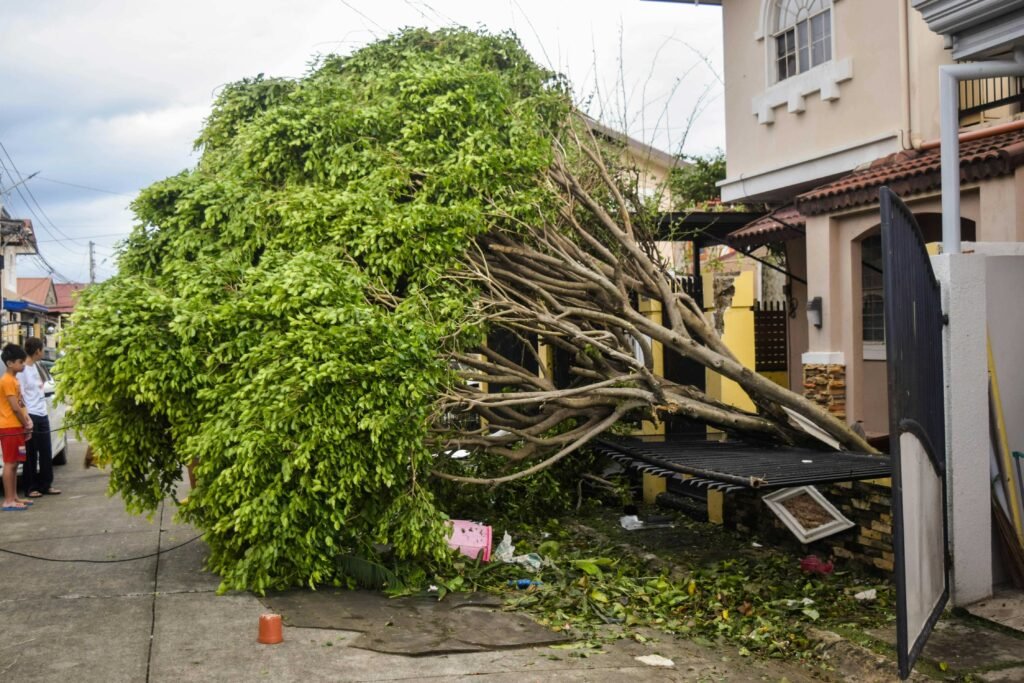
The roof is the most exposed part of the house. Wind forces during typhoons can exceed 200 kilometers per hour in severe cases such as Typhoon Yolanda in 2013. When high winds hit the house, pressure builds on the edges and corners of the roof.
Once wind gets under loose or improperly fastened panels, it can tear off portions of the roof. Rainwater then enters the home, leading to ceiling collapse, wall damage, and electrical hazards.
Research from post disaster assessments in the Philippines shows that more than 70 percent of housing damage during typhoons begins with roof failure. Once the roofing system is compromised, the interior becomes vulnerable, and repairs become significantly more expensive.
Roof strength is not only about material. Proper drainage, fastening systems, slope design, and integration with the structural frame all influence resilience. Roofs designed to withstand local weather conditions are essential for long term stability.
Building Better and More Durable Roofing Systems: What’s the role of engineering?
Traditional roofing often relies on metal sheets or tiles attached to frames with minimal reinforcement. While this setup may withstand mild weather, it performs poorly during intense storms. Modern construction approaches now include structural testing, advanced fastening technology, and water diversion systems to reduce risk.
One example of this is the PowerShade clamping system by BillionBricks.
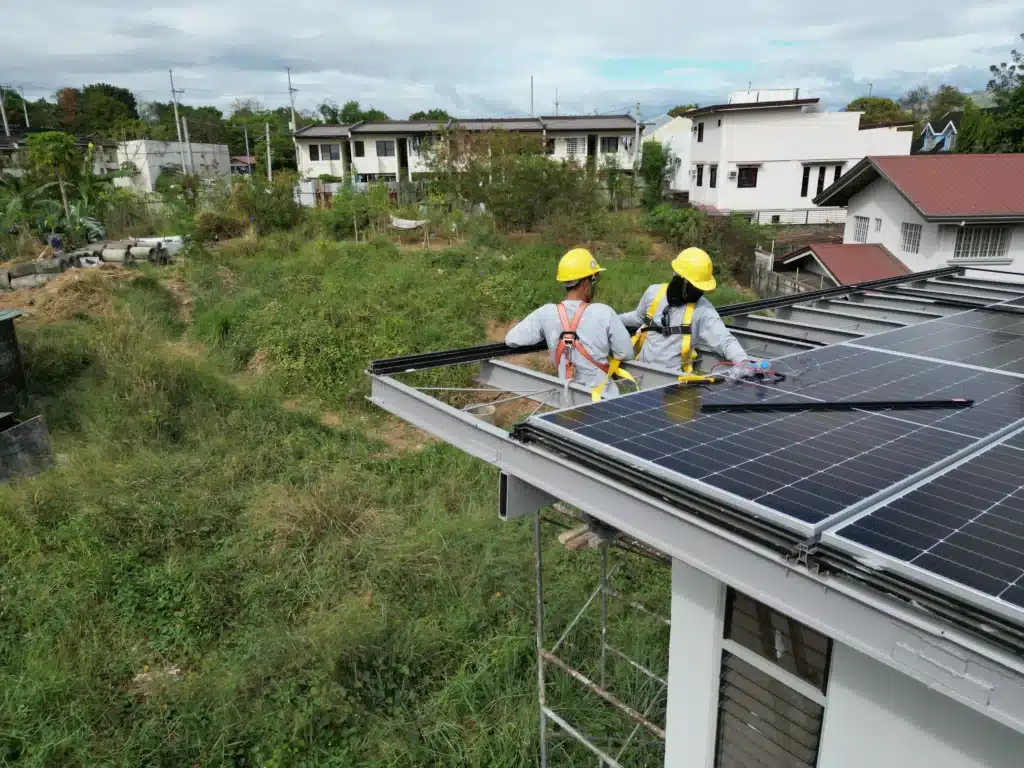
Instead of attaching conventional roofing sheets, this system integrates solar panels directly into the roof. Each panel is secured using precision engineered clamps inspired by commercial curtain wall technology. This allows the panels to endure strong wind pressure and heavy rainfall.
According to technical documentation, the system can provide waterproofing efficiency of 95 to 99 percent when installed correctly and maintains rigidity without conventional roof sheets. This makes it both a renewable energy solution and a protective roofing method.
Strength and Functionality Combined: Energy and Safety in One Roofing System
The concept of combining roof function with energy generation offers a dual advantage. Solar integrated roofing not only protects the home during storms but also provides power when grid failures occur.
With an energy storage system in place, the home can remain functional even during brownouts.
Unlike traditional panel brackets that sit above the roof, integrated clamping systems fasten panels in a way that makes them part of the roof itself. This reduces the risk of detachment and improves weather performance. It also reduces the number of penetration points, which minimizes leakage.
This approach aligns with modern building standards that emphasize resilience, efficiency, and sustainability. A strong roof can now also be an independent power source.
Why Roof Design and Quality Directly Affect Long Term Costs and Safety
Many homeowners view roofing as a single upfront cost rather than a long term investment.
Unfortunately, this leads to decisions based solely on price rather than performance. Weak roofs may cost less during installation but often result in repeated repairs or full reconstruction after each major storm.
In contrast, engineered roofing systems, while potentially higher cost initially, offer greater durability. Fewer repairs mean lower long term spending.
A well built roof can last 20 to 30 years when maintained properly, while low quality construction may require replacement every few years.
Homes with stronger roofing systems are less likely to suffer structural and interior damage. They also significantly reduce safety risks during extreme weather.
Key Roofing Principles That Improve Home Resilience
These are core elements that increase storm resistance:
- Ensure proper fastening and secure attachment to the structural frame
- Integrate waterproofing and drainage systems to prevent seepage
- Use high quality materials tested for strong wind and water pressure
- Consider roof slope and wind direction when designing new structures
- Align installation with local weather patterns and engineering guidelines
These principles work together to reinforce safety and minimize costly damage.
Every typhoon season brings the same lesson. Homes with weak roofs experience the most damage.
Once the roof fails, the rest of the structure becomes vulnerable. Investing in a strong roof means protecting the entire house. It also gives families peace of mind in knowing their home offers shelter even during severe weather.
A well engineered roof protects the entire home, reduces long term repair costs, and can even generate energy when using modern integrated systems. A strong roof is not just a covering. It is your home’s first shield against every storm.
About BillionBricks
BillionBricks is a climate-tech company developing net-zero, energy-generating homes that make sustainable living more accessible. Through design-led innovation and integrated solar technology, it creates homes that reduce electricity costs while supporting a low-carbon future.
About PowerShade Solar Roof
PowerShade is BillionBricks’ patent-pending integrated solar roof system that generates clean energy while functioning as a modern roofing solution. Designed for homes and developments, it enables property owners to produce their own power and move toward energy independence.